



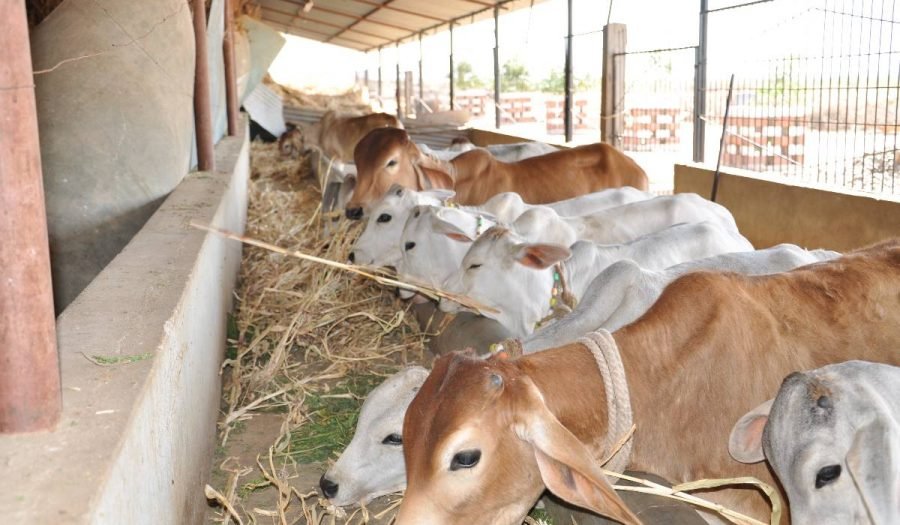
Gau Seva (गौसेवा)
Gau Seva (also spelled Go Seva) refers to the practice of serving and caring for cows, particularly within Indian culture and Hindu religious tradition. The term comes from Sanskrit, where “Gau” (गो) means cow and “Seva” (सेवा) means service.
Key Aspects of Gau Seva:
Religious and Cultural Significance
-
In Hinduism, the cow is considered sacred and a symbol of non-violence, motherhood, and abundance.
-
Lord Krishna is closely associated with cows, often depicted as a cowherd (Gopal), and Kamadhenu, the wish-fulfilling cow, is revered in scriptures.
-
Many Hindus believe that serving cows can generate spiritual merit (punya) and promote personal and community well-being.
Forms of Gau Seva
-
Feeding cows (especially green fodder, jaggery, or chapatis).
-
Providing shelter through gaushalas (cow shelters or sanctuaries).
-
Medical care and rescue of abandoned, sick, or injured cows.
-
Volunteering or donating to organizations that protect and care for cows.
Gaushalas
-
These are non-profit or religiously managed cow shelters, often run by temples, NGOs, or individuals.
-
They aim to provide a safe haven for non-milking, aged, or stray cows.
Government and Legal Support
-
Several Indian states have laws protecting cows from slaughter.
-
The Indian government and many NGOs promote cow protection as part of rural development and traditional farming practices.
Spiritual Practices
-
Some people perform Gau Pooja (cow worship), especially during festivals like Govardhan Puja and Gopashtami.