
The Ram Mandir Pran Pratishtha (राम मंदिर प्राण प्रतिष्ठा)
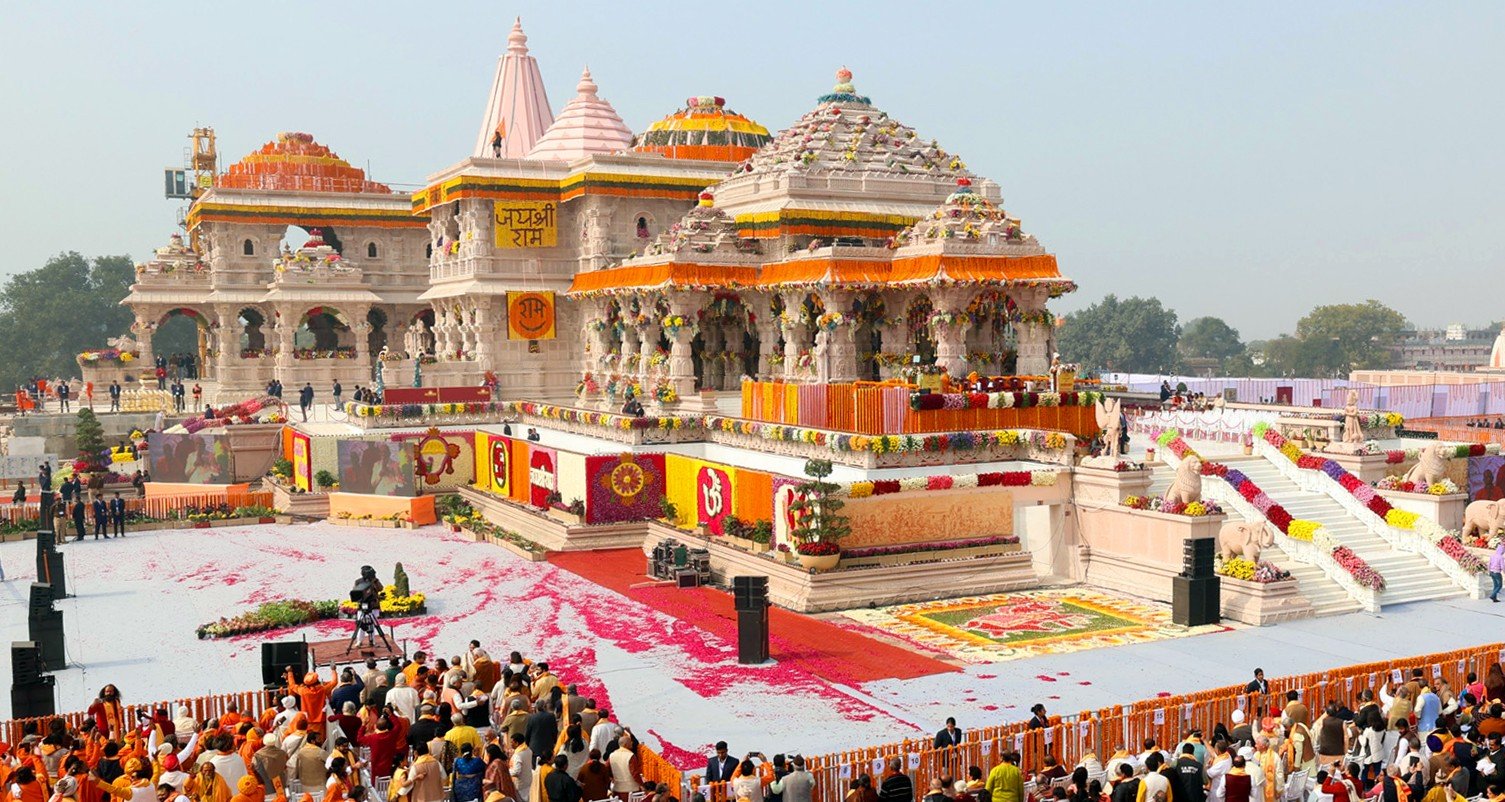
The Ram Mandir Pran Pratishtha refers to the consecration ceremony of the Ram Mandir (Rama Temple) in Ayodhya, Uttar Pradesh, a significant event in Hinduism that took place on January 22, 2024. The term “Pran Pratishtha” (प्राण प्रतिष्ठा) translates to “infusion of life” or “establishment of divine presence” in English, signifying the ritual process of invoking divine energy into the idol of the deity, in this case, Ram Lalla (the childhood form of Lord Rama), to sanctify it for worship. Given your prior questions about the Babri Masjid demolition, Sikhism, Pravachan, Samaj Seva, Mental Wellness, and Meditation, this response will provide a detailed overview of the ceremony, its historical context, and its relevance to Sikhism where applicable.
Overview of the Ram Mandir Pran Pratishtha
- Date and Time: The ceremony occurred on January 22, 2024, during the Abhijeet Muhurat (auspicious time) from 12:20 PM to 12:40 PM IST, with a precise 84-second window for the core ritual (12:29:03 PM to 12:30:35 PM). This timing aligned with Paush Shukla Dwadashi (Kurma Dwadashi) in the Hindu lunar calendar, considered highly auspicious.
- Location: The Ram Mandir, built in Ayodhya on the site believed to be the birthplace of Lord Rama (Ram Janmabhoomi), previously occupied by the Babri Masjid (demolished in 1992, as you asked about).
- Key Ritual: The Pran Pratishtha involved consecrating a 51-inch idol of Ram Lalla, crafted by sculptor Arun Yogiraj, placed in the temple’s sanctum sanctorum (garbhagriha). The ritual, led by Prime Minister Narendra Modi under the guidance of Pandit Laxmikant Dixit and 121 Vedic Brahmins, infused divine life into the idol, transforming it into a deity for worship.
- Organizers: The event was managed by the Shri Ram Janmabhoomi Teerth Kshetra Trust, with extensive preparations by the Uttar Pradesh government to accommodate over 7,000 invitees and lakhs of devotees.
Historical and Cultural Context
- Ram Janmabhoomi Dispute: The site has been contentious due to its association with both the Babri Masjid (built 1528–29) and Hindu claims of a pre-existing Ram temple. The mosque’s demolition in 1992 by Hindu kar sevaks, as detailed in your previous query, sparked riots and legal battles. The 2019 Supreme Court verdict awarded the site for a Ram temple, leading to the 2024 consecration.
- Temple Construction: The groundbreaking ceremony occurred on August 5, 2020, with the ground floor of the three-story Nagara-style temple completed by June 2023. The temple, spanning 2.7 acres, features 392 pillars, 44 doors, and intricate carvings of Hindu deities.
- Cultural Significance: The Pran Pratishtha marked a milestone for Hindus, particularly those in the Ram Janmabhoomi Movement, symbolizing cultural revival and devotion to Rama. It was celebrated as a national event, with Prime Minister Modi urging citizens to light diyas (lamps) like Diwali.
Details of the Pran Pratishtha Ceremony
The ceremony followed a seven-day ritual schedule starting January 16, 2024, rooted in Vedic and Puranic traditions. Below is the schedule, as outlined by the Shri Ram Janmabhoomi Teerth Kshetra Trust:
- January 16: Rituals began with atonement (Prayaschit) and worship at the Saryu River, followed by a city tour of the Ram Lalla idol.
- January 17: The idol entered the temple complex, with worship of Lord Ganesha to initiate the consecration process.
- January 18: Mandap entry puja, Vastu puja, Varun puja, and other rituals like Jaladhivas (immersion in water) and Gandhadhivas (anointing with fragrances).
- January 19: Preparation of the yagna fire pit with Vedic mantras, followed by Aushadhivas (herbal immersion), Kesaradhivas (saffron), and Dhanyadhivas (grains).
- January 20: Sanctification of the sanctum sanctorum with 81 kalash (pots) filled with water from various rivers, alongside Sharkaraadhivas (sugar) and Phaladhivas (fruits).
- January 21: Rituals included Madhyadhivas (central immersion), Shayyadhivas (bed consecration), and a divine bath for Ram Lalla with 125 urns of holy water (Abhisekam).
- January 22: The main Pran Pratishtha occurred, involving:
- Netronmeelan: Opening the idol’s eyes with a gold needle applying anjan (kohl), performed from behind to avoid the deity’s gaze.
- Chanting of Vedic mantras to invoke Rama’s presence.
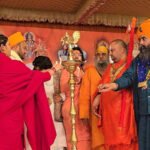
- Modi performed the first aarti post-consecration, attended by over 150 saints, 50 tribal delegates, and dignitaries like Yogi Adityanath, RSS chief Mohan Bhagwat, and Mahant Nritya Gopal Das.
Key Features of the Ceremony
- Auspicious Timing: The Abhijeet Muhurat was chosen for its astrological significance, aligning with Mrigashira Nakshatra, Amrit Siddhi Yoga, and Sarvartha Siddhi Yoga, believed to be the time of Rama’s birth.
- Hanuman’s Permission: Before the ceremony, Modi sought blessings at a Hanuman temple, as Hindu scriptures describe Hanuman as Ayodhya’s ruler after Rama’s departure, one of the Ashta Chiranjeevis (immortal beings).
- Public Participation: Over 7,000 invitees, including politicians (e.g., L.K. Advani), industrialists (e.g., Mukesh Ambani), celebrities (e.g., Amitabh Bachchan), and cricket legends (e.g., Sachin Tendulkar), attended. The event was live-streamed on Doordarshan in 4K, with 9,000 railway station screens and global broadcasts.
- Security and Holidays: Uttar Pradesh declared a public holiday, with half-day holidays in several states (e.g., Haryana, Gujarat) and central government offices. Strict security measures were enforced in Ayodhya.
- Post-Ceremony: The temple opened for devotees on January 23, 2024, with darshan (viewing) from 7 AM–11:30 AM and 2 PM–7 PM, and three daily aartis (6:30 AM, 12:00 PM, 7:30 PM). Over 500,000 visitors arrived on the first day.
Relevance to Sikhism
Given your questions about Sikhism, the Ram Mandir Pran Pratishtha has limited direct relevance to Sikh religious practice, which focuses on monotheism and devotion to one formless God (Ik Onkar) through the Guru Granth Sahib. However, cultural and historical connections exist:
- Pravachan: Sikh Gianis may address the event in Pravachan (spiritual discourse) to promote interfaith harmony, drawing on Gurbani like “Sarab dharma meh shreshth dharma, har ko naam jap nirmal karma” (The highest religion is to chant God’s name and perform pure deeds) – Ang 266. They might contrast Sikhism’s rejection of idol worship with the Hindu ritual, emphasizing inner devotion over physical structures.
- Samaj Seva: Sikh organizations, such as Khalsa Aid, have historically provided relief during communal tensions (e.g., post-1992 riots). During the Pran Pratishtha, Sikhs may have engaged in Seva by ensuring community safety or aiding pilgrims, reflecting the principle of “Vand chakko” (share with others).
- Mental Wellness and Meditation: The event’s communal significance could evoke mixed emotions, especially among minorities affected by the Babri Masjid demolition’s legacy. Sikh practices like Naam Simran (meditation) and recitation of Sukhmani Sahib offer mental solace, as noted in your earlier queries, with verses like “Simrat naam dukh sabh naas” (Meditating on the Name destroys all pains) – Ang 193.
- Sikh Historical Context: Sikhism reveres Rama as a symbol of righteousness, not a deity. The Guru Granth Sahib references Rama over 2,500 times, often as a name of God (e.g., “Ram ram karta sabh jag phirai” – Ang 1353). Guru Gobind Singh’s Chandi di Var draws on Durga’s battles (linked to your Satchandiyagya query) as a metaphor for fighting evil, not endorsing Hindu rituals. Sikhs view the Ram Mandir issue through a lens of peace and justice, advocating coexistence.
Sikh Perspective on the Event
- Neutral Stance: Sikhism does not endorse or oppose the Ram Mandir, as it prioritizes spiritual unity over territorial disputes. The Sikh Rehat Maryada emphasizes devotion to the Guru Granth Sahib, avoiding rituals like Pran Pratishtha, which involve idol consecration.
- Interfaith Harmony: Sikhs, guided by Guru Nanak’s teachings of universal brotherhood, may use Pravachan to urge peace, especially given the Babri Masjid demolition’s violent aftermath. Guru Tegh Bahadur’s martyrdom for religious freedom underscores Sikh commitment to protecting all faiths.
- Community Response: Some Sikh communities in Punjab or the diaspora may have held langar or prayer sessions during the event to promote unity, aligning with Samaj Seva principles.
Broader Impact
- Hindu Nationalism: The ceremony was celebrated as a triumph of Hindutva by the BJP, VHP, and RSS, with Yogi Adityanath calling it a victory of faith and Mohan Bhagwat hailing it as cultural revival. International media, however, criticized it as a symbol of Hindu nationalism over secularism, noting the Babri Masjid’s demolition.
- First Anniversary (2025): The anniversary was celebrated on January 11, 2025, not January 22, as it aligned with Paush Shukla Dwadashi (Kurma Dwadashi) per the Hindu calendar. Events included Agnihotra, Maha Abhishek, and cultural programs, with 5,000 devotees hosted at Angad Teela.
- Global Attention: The event drew comparisons to Turkey’s Hagia Sophia mosque reconversion, with Western media labeled “biased” by the VHP for focusing on the demolition.
Conclusion
The Ram Mandir Pran Pratishtha on January 22, 2024, was a historic Hindu consecration ceremony in Ayodhya, sanctifying the Ram Lalla idol through Vedic rituals led by Prime Minister Modi. It fulfilled a decades-long Hindu aspiration but remained tied to the controversial Babri Masjid demolition. In Sikhism, the event is viewed through the lens of peace, with Pravachan promoting harmony, Samaj Seva aiding communities, and Meditation offering mental resilience amid communal tensions. Sikhism’s focus on monotheism and inner devotion contrasts with the ritualistic Pran Pratishtha, yet its principles of unity align with fostering coexistence. If you’d like specific Gurbani references, details on Sikh responses, or further ritual breakdowns, let me know!