



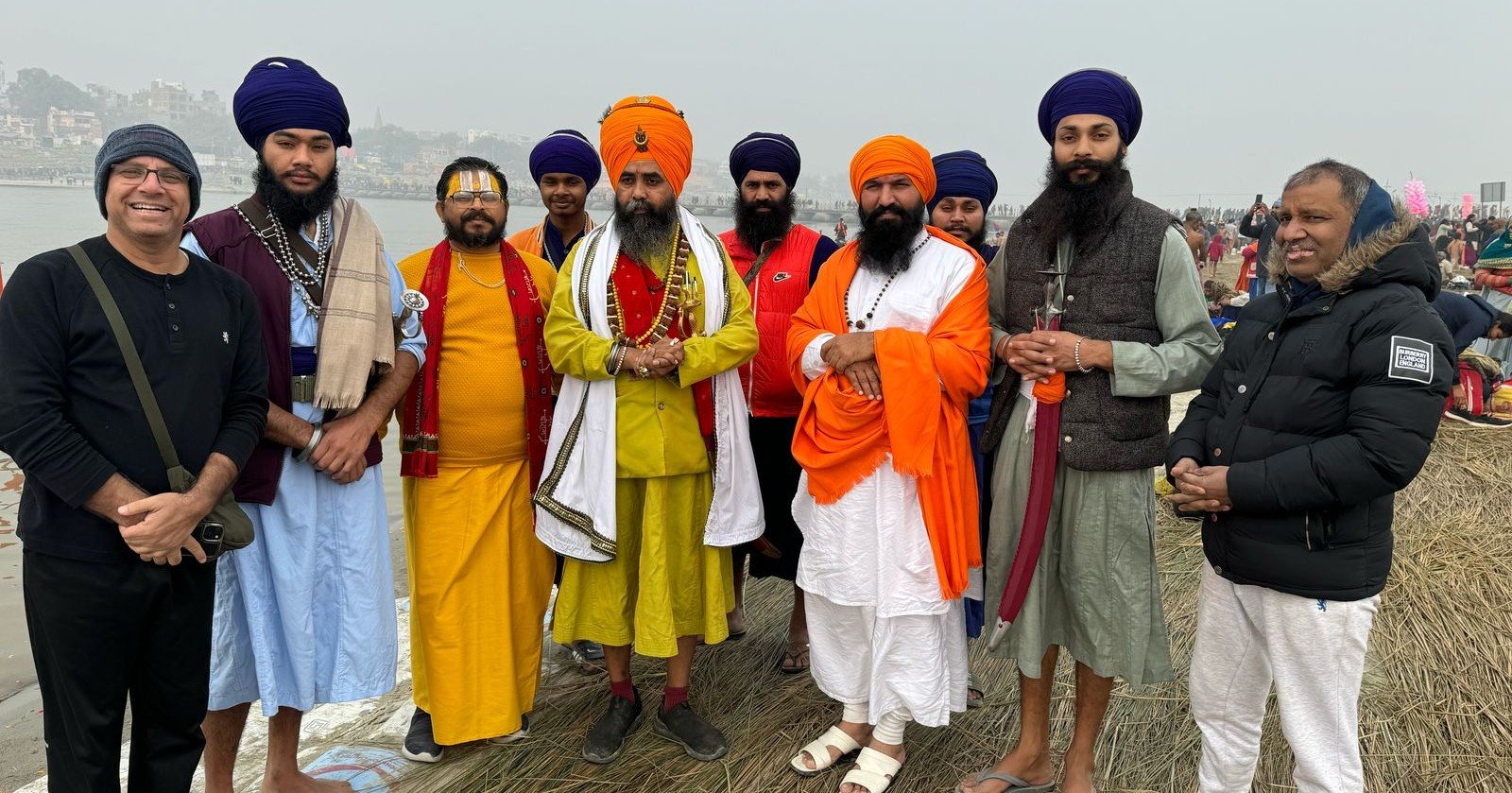
Samaj Seva (समाजसेवा)
Samaj Seva (समाजसेवा) in Sikhism refers to social service or selfless service to society, rooted in the core Sikh principle of Seva (selfless service). The term combines “samaj” (society/community) and “seva” (service), emphasizing acts performed for the collective welfare of humanity without expectation of reward. In Sikhism, Samaj Seva is an expression of devotion to God and a practical application of the faith’s values of compassion, equality, and service.
Meaning and Significance in Sikhism
- Seva as a Core Principle: Seva is one of the three pillars of Sikhism, alongside Naam Japna (meditation on God’s name) and Kirat Karni (honest work). Samaj Seva extends this principle to serving society at large, reflecting the Sikh belief that serving humanity is serving God.
- Equality and Humanity: Sikhism teaches that all people are equal, regardless of caste, creed, gender, or religion. Samaj Seva embodies this by addressing societal needs, such as helping the poor, feeding the hungry, or supporting the marginalized, without discrimination.
- Spiritual Growth: Performing Samaj Seva is a way to cultivate humility, reduce ego, and align with the teachings of the Guru Granth Sahib, which emphasize compassion and selflessness.
Forms of Samaj Seva in Sikhism
Samaj Seva takes various forms, both within and beyond the Sikh community, including:
- Langar (Community Kitchen):
- The most iconic form of Samaj Seva, where free meals are served to all in Gurdwaras, regardless of background.
- Initiated by Guru Nanak, langar promotes equality and addresses hunger, often extending to community outreach during crises.
- Charitable Activities:
- Providing food, clothing, shelter, or medical aid to the needy.
- Sikh organizations, like the Sikh Relief or Khalsa Aid, engage in disaster relief, refugee support, and healthcare initiatives globally.
- Community Welfare:
- Building schools, hospitals, or orphanages to uplift society.
- Supporting education for underprivileged children or vocational training for economic empowerment.
- Environmental Service:
- Initiatives like tree planting, cleaning rivers, or promoting sustainability, reflecting the Sikh respect for nature as God’s creation.
- Advocacy and Justice:
- Standing up for human rights, equality, and justice, such as helping victims of oppression or raising awareness about social issues.
- Gurdwara Services:
- Volunteering in Gurdwaras (e.g., cleaning, cooking, or organizing events) is a form of Samaj Seva that benefits the community.
Connection to Pravachan
As you previously asked about Pravachan (spiritual discourse), Samaj Seva often complements it in Sikhism. During a Pravachan or Katha, a Giani may emphasize the importance of Seva through Gurbani verses, such as:
- “Seva karat hoi nihkami, tis kau hot parapat suami” (Serving selflessly, one attains the Lord) – Guru Granth Sahib, Ang 286.
- These discourses inspire the congregation to engage in Samaj Seva, reinforcing its spiritual and practical value.
Examples in Sikh History
- Guru Nanak: Established langar to feed all, challenging social hierarchies.
- Guru Amar Das: Expanded langar and required all visitors, including emperors, to eat together, promoting equality.
- Guru Gobind Singh: Encouraged Sikhs to serve humanity and protect the oppressed, laying the foundation for the Khalsa’s role in social justice.
- Modern Examples: Organizations like Khalsa Aid provide humanitarian aid worldwide, such as disaster relief in Haiti, Syria, or India, embodying Samaj Seva.
Relevance Today
Samaj Seva remains central to Sikh identity, with Sikhs globally engaging in:
- Disaster relief (e.g., earthquake or flood aid).
- Free medical camps and blood donation drives.
- Community clean-up initiatives and environmental activism.
- Support for refugees and victims of conflict.
Difference from Hindu Context
While Samaj Seva in Hinduism also means social service (e.g., charity or community welfare), in Sikhism, it is deeply tied to the spiritual practice of Seva, performed without attachment to outcomes, as a direct expression of devotion. Unlike some Hindu rituals (e.g., Satchandiyagya, as you asked earlier), Sikh Samaj Seva avoids ceremonial complexity, focusing on practical, inclusive acts.
Conclusion
In Sikhism, Samaj Seva is selfless service to society, encompassing acts like langar, charity, environmental care, and advocacy, all rooted in the teachings of the Guru Granth Sahib. It reflects Sikh values of equality, compassion, and humility, serving as a bridge between spiritual practice and social good. If you’d like examples of specific Sikh organizations or Gurbani references related to Samaj Seva, let me know!